
3D printing: Trends in manufacturing.
The world has seen many intriguing manufacturing technologies so far, but 3D printing has really caught everyone’s attention over the past few years. Not only does it have the potential to create something through an entirely unique process, but it also has the capability to render some production lines useless.
If the global engineering and manufacturing community plans to keep unlocking the full potential of industrial 3D printing, together they will have to keep rethinking the fundamentals of design engineering and digital factories of the future.
We are surrounded by 3D printing every day, and most of us have no idea. Your neighbor can walk past you with a custom 3D-printed knee replacement. The cab you take to work may have 3D-printed pulley mechanisms powering your trip. The planes we board might have a 3D-printed fuel nozzle powering the flightThe evolution of this technology is now helping power the world of manufacturing, creating new jobs, and increasing innovation across the globe. It promotes sustainability, efficiency and innovation.
In order to maximize and understand the freedom that 3D printing allows when utilizing new materials, industrial designers, mechanical engineers, and material scientists must work in harmony from the beginning to understand new material properties.
It can be extremely intimidating for companies to rethink and rebuild their workflows and processes as it relates to engineering and manufacturing. More and more, companies are ready to embrace these new workflows, but need advanced technologies to guide and automate the process to ensure successful adoption. The relentless pace of innovation within the industry is in need of responsive technology.
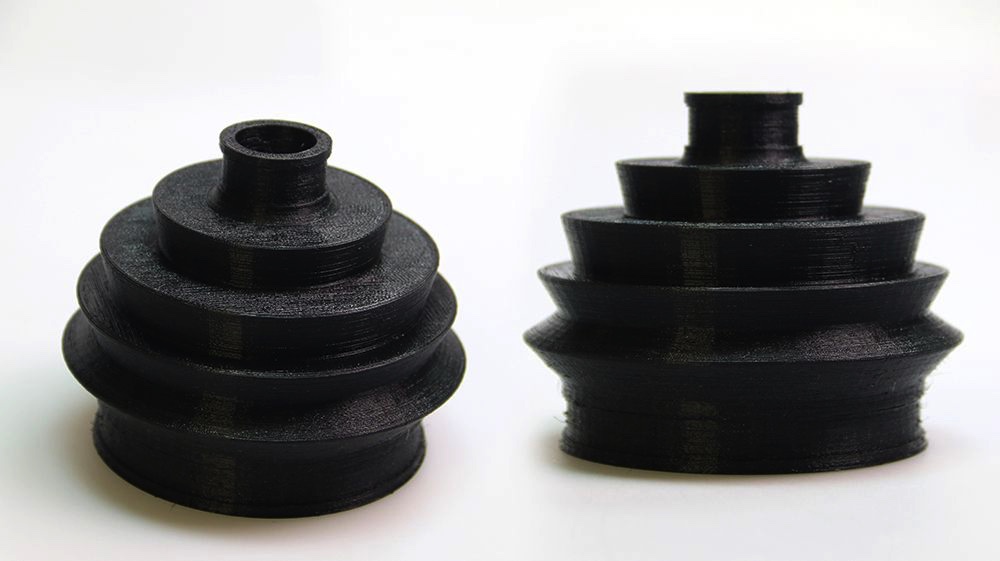
Currently, the main users of 3D printing are aerospace, the automative and healthcare, but industrial and consumer product industries also finding new ways to use 3D printing. Some notes of using 3d printing you can find on Mecofon.
Moving forward it will be not only new technology and materials that drive the 3D printing market, but also standardization and the digital thread.
Aerospace, automotive, and medical are highly regulated industries. For 3D printing to really take off in these areas, in addition to others, engineers need a way to verify quality. A complete digital thread of everything from feedstock materials, equipment and process parameters per parts, to delivery might be necessary to ensure parts meet standards and regulations.
Obtaining repeatable results can be difficult. An entire industry will have various powder providers and building parts with different machines, all which can yield different results. In fact, even if you have the same powder and machine you could still see different results.
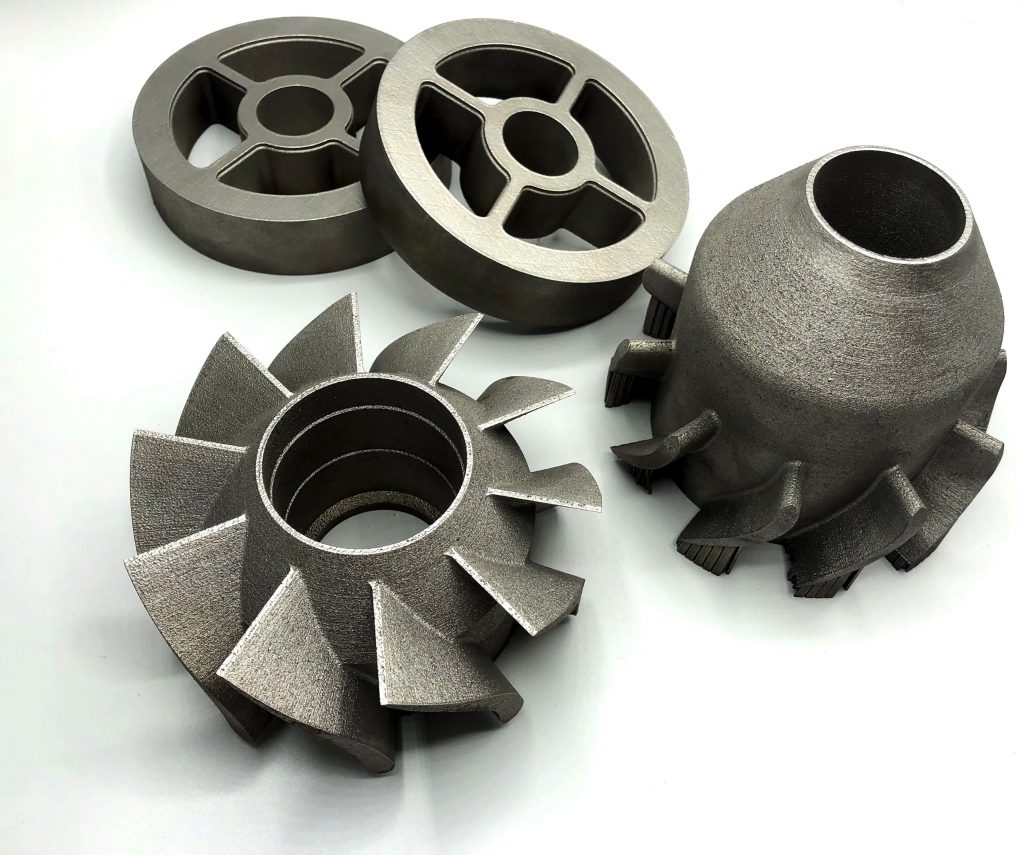
Materials
Speeding up the process while reducing cost is grabbing headlines and will continue to do so as we move further into 2020. While plastic printing can offer multiple cost-effective options, Metal 3D printing has taken more time to find a way to reduce the barrier to entry. Metal Jet printers look like they might change the way we think about metal printing, but there are limitations. Binder jet-made parts are not be as strong as parts made in other processes. But there are many low and non-load-bearing parts to be optimized, and so the binder jet process has gotten attention in the industry. As engineers become more comfortable with 3D printing, we might continue to find more solutions with this process.
Materials are one of the top concerns for the future growth of 3d printing. More specifically, everyone looks forward to seeing more materials introduced and having systems that are more versatile, as new materials ranked second in what growth factors are most interesting to business, according to Sculpteo.
New materials are providing OEMs with stronger or more flexible polymers, and companies are experimenting.
Materials are helping to progress 3D printing, but there are some new technologies that I think will provide more than just an incremental jump forward for the process.
While the continuous liquid interface production (CLIP) was developed years ago, it is seeing success in the automotive industry. This type of technology is going to move 3D printing forward, and it looks like the liquid polymer vat curing processes might be adding more innovation to its arsenal.
3D printing has long passed the point of being viewed only as a prototyping solution.
Everyday, companies are finding new ways to incorporate the technology into their production, with applications ranging from tooling to spare/replacement parts and some end-use components.
From automotive to consumer goods, companies across industries are becoming aware of the advantages 3D printing offers for production.
3D printing will not replace machining, casting or injection moulding. The true goal for the technology is to become a viable production method that can be used on par with other technologies.
As more effort is being put into ensuring greater repeatability and speed with industrial 3D printing, we’re getting ever-closer to reaching this goal.
Using 3D printing allows companies to customize production and increase flexibility.
Here in Mekkanik we believe that every designer should be able to develop products without being limited by technology or material availability.
Expertise throughout the entire 3D printing process with Mekkanik.
- Co-Creation:
Join forces with our experts to develop products that make the most of 3D printing.
- Design & Engineering
Involve our engineers during your design phase to build what is specifically for 3D printing.
- Rapid prototyping
Get true design verification that matches reality, with prototypes within days.